
Follow ZDNET: Add us as a preferred source on Google.
ZDNET's key takeaways
- There's a reason scam callers don't respond when you answer.
- The goal is simply to confirm that your number is active and spammable.
- To deal with a call, hang up and use spam filtering to block them.
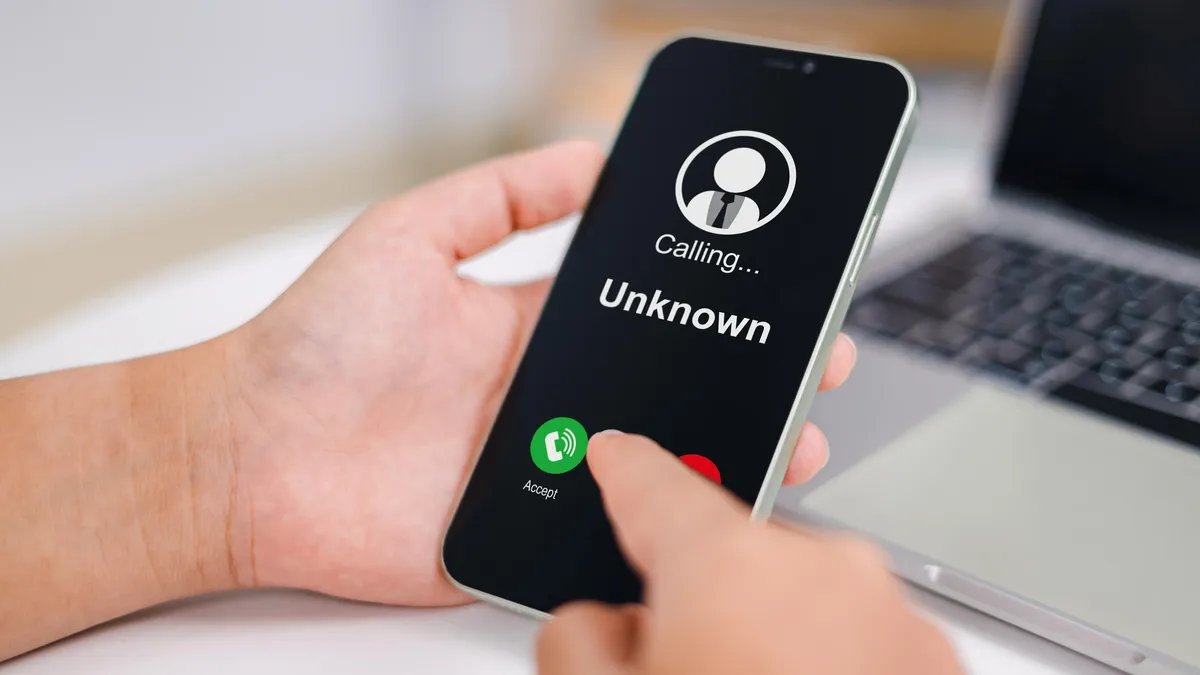
Have you ever answered a call from an unknown number only to be greeted with silence? Sometimes, no one responds at all. Other times, there's a short delay before someone finally greets you. You may think the person on the other end is just confused or distracted, or possibly got the wrong number. But that's not the case, at least not with a scam call.
Also: This new phone scam has ‘carriers' calling to exchange your device – don't fall for it
Yes, there is a method behind the madness. Just knowing that someone answered the call is validation that the phone is owned by a real person and that the number is active. That marks the intended victim and number as available for future scams.
“Calls where no one responds are rarely accidental,” Shane Barney, chief information security officer at cybersecurity provider Keeper Security, told ZDNET. “In many cases, they are automated reconnaissance events. Fraud operations run at industrial scale, and before they invest human effort in a target, they validate that a number is active and answered by a real person.”
What do scammers then do with your number?
“In modern fraud ecosystems, verified contact data has value,” Barney said. “It is bought, sold, and reused. A silent call can serve as a filtering mechanism, separating dormant numbers from reachable individuals. It is less about the conversation and more about confirming that there is someone on the other end.”
Also: This simple ChatGPT trick helps you spot scams before you click or respond
In some cases, your confirmed number may lead to phishing calls or emails. In other instances, you might be the target of a more serious type of attack.
“Once that validation occurs, it strengthens the attacker's ability to execute more convincing follow-on attacks,” Barney said. “A confirmed number can be paired with a breached email address, used to trigger password reset flows, or targeted for SIM swap fraud.”
These types of scams are nothing new, though they were more prevalent years ago, Barney explained. They seemed to go out of style as email and SMS phishing attacks became more common. Seeing them resurface highlights an important aspect of cybercrime. Attackers will reuse tactics and techniques that work.
What about calls in which the person responds after a short delay? That speaks to the automated operations run by spammers and scammers.
Also: I'm a tech pro and an AI job scam almost fooled me – here's what gave it away
“That pause is typically a function of predictive dialing infrastructure,” Barney said. “These systems place high volumes of calls simultaneously and use algorithms to detect when a human answers. Once a voice is detected, the system routes the call to a live operator. The delay reflects the handoff process. From an operational standpoint, this model allows scammers to maximize efficiency while minimizing labor costs.”
With all this in mind, how should you handle these types of calls? Here are three tips.
Hang up. If it's an unknown number and no one responds to your greeting, just hang up. The only downside here is that some calls with that initial silence may be legitimate, perhaps from an office, business, or known company. In that case, they will call back and can let the call go to voicemail. If it's important, the person will leave a message.
Don't respond, but stay on the line. Another strategy is to pick up a call from an unknown or suspicious number, but don't say hello or anything else. If you hear nothing but silence, then just wait to see if the call disconnects. If the spammer or scammer doesn't detect a voice on the other end, they may then consider your number inactive and remove it from their call list.
Also: iPhone full of unknown texts? 4 ways to filter them out in iOS 26
Use spam call filtering. iPhones and Android phones do have built-in ways to block and identify spam calls. But a spam filtering app or service provides more granular control. In the US, the three major carriers — Verizon, AT&T, and T-Mobile — offer their own tools for dealing with spam calls. You'll also find a variety of third-party spam filtering apps. Some apps to consider are RoboKiller, Truecaller, and Hiya.